
Capability profile
Petrochemical & Industrial Works
Intake, outfall and jetty works for process industry, executed under plant permit procedures.
- Operating companies
- 2
- Industries
- 2
- Work type
- Planned
- Coverage
- European operations
Service Definition
What This Discipline Covers
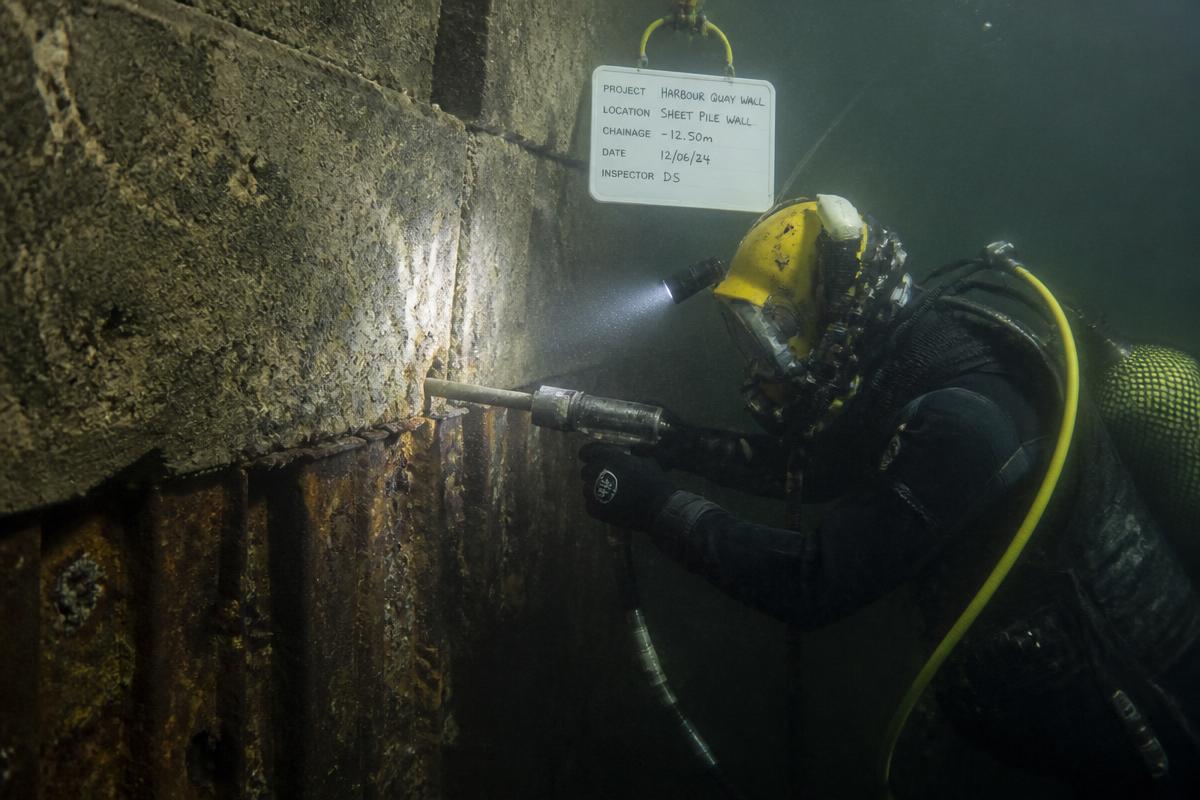
Industrial underwater works concern the water-side assets of process plants and utilities: cooling water intakes, outfalls, screens, pump pits and jetty structures. Availability of the cooling system usually dictates the working window so preparation matters more than mobilisation speed.
- Permit-controlled work
- Isolation verified
- Shutdown windows
Client Situations
Typical Situations We Are Called For
These are the operational realities that usually trigger this scope.
Plant availability windows are short and fixed
Confined and permit-controlled environments
Fouling and debris reduce intake capacity over time
Contractor safety requirements are strict
Scope Of Work
Capabilities And Representative Scopes
Capabilities
- Intake and outfall inspection and cleaning
- Screen, grid and trash rack works
- Jetty and loading structure inspection
- Underwater repair inside plant boundaries
Representative Scopes
- Cooling water intake cleaning during a plant window
- Outfall inspection with condition report
- Jetty fender and pile inspection
Reporting Deliverables
- Pre- and post-works documentation
- Debris and volume records where applicable
- Condition report for maintenance planning
Operational Preparation
How A Scope Is Prepared And Executed
Permit preparation
Documentation aligned with plant permit-to-work.
Toolbox and isolation
Isolations and lock-out confirmed with the plant.
Execution
Works completed within the granted window.
Handover
Report and clean-condition confirmation issued.
Constant On Every Scope
Written Method Statement
Video Documentation
Supervised Diving
Operational Windows
Equipment And Safety
Technology And Safety Considerations
Equipment And Technology
- Airlift and suction equipment for debris removal
- Hydraulic tooling and cleaning systems
- Inspection cameras for confined spaces
Safety Considerations
- Plant permit-to-work and isolation procedures are mandatory
- Confined-space and contamination risks assessed per scope
- VCA/SCC-type safety training for site personnel
Industries Served
- Petrochemicals & Industry
- Ports & Terminals
Regional delivery
Operating companies offering this capability
FAQ
Frequently Asked Questions
Can works be done without shutting the plant down?
Sometimes, depending on isolation possibilities. This is assessed together with the plant's maintenance engineers.
How do you deal with intake suction while divers are in the water?
Flow conditions are reviewed before the dive. Where suction cannot be reduced to a safe level, the work is planned around a pump stop, a partial isolation or an ROV inspection instead.
Do you work under the plant's permit system?
Yes. Work permits, isolation certificates, LOTO and site induction requirements of the plant take precedence and our method statement is written to fit them.
Is confined-space or contaminated-water work possible?
Such scopes are assessed case by case. Water quality, access and rescue provisions determine whether diving is acceptable or a remote method is used.
What do you deliver after cleaning an intake or basin?
Before-and-after video, quantities and type of material removed, observed condition of screens and structures and any defect that needs follow-up.
Contact
Discuss a petrochemical and industrial scope
Send us the structure, vessel or incident and we will confirm the right operating company, method and working window.