
Capability profile
Civil Underwater Works
Construction, maintenance and repair of quay walls, locks, weirs and foundations, including underwater concrete and steel works.
- Operating companies
- 3
- Industries
- 3
- Work type
- Planned
- Coverage
- European operations
Service Definition
What This Discipline Covers
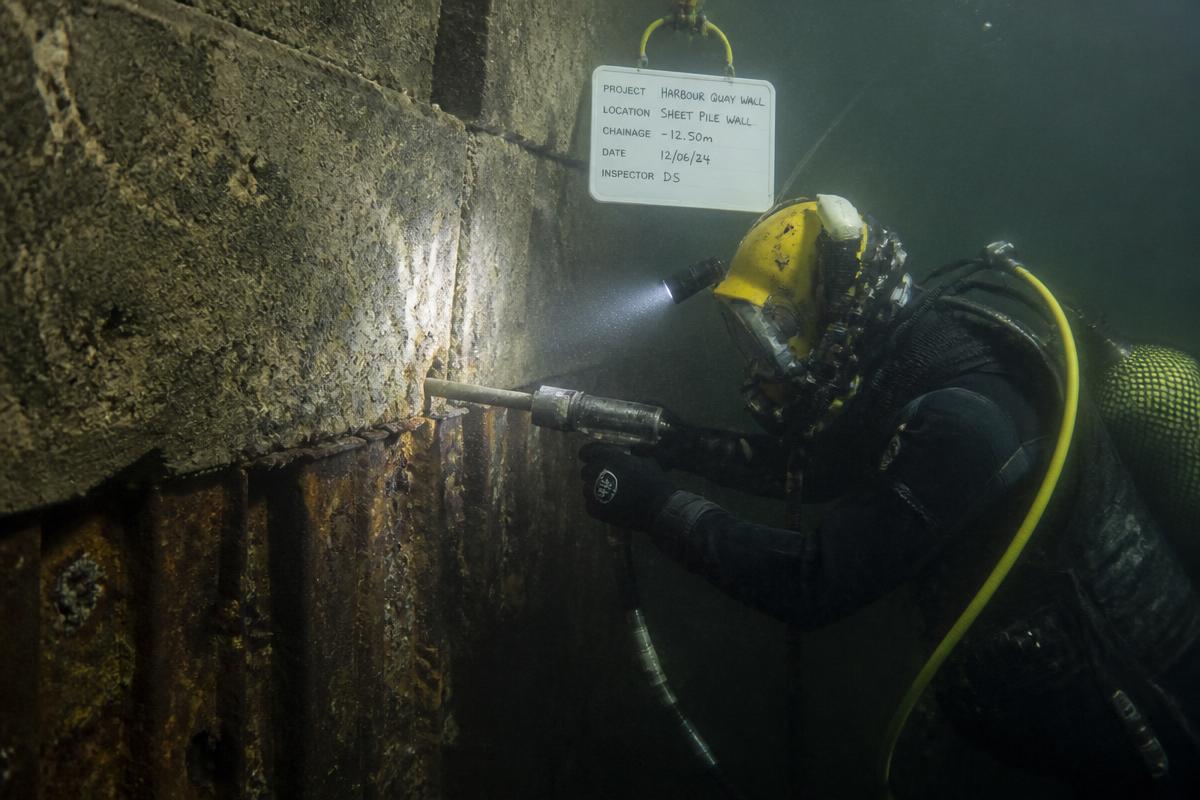
Civil underwater works cover the submerged part of fixed infrastructure: quay walls, sheet piling, lock gates, weirs, bridge piers, jetties and foundations. Our divers execute inspection, repair and construction support below water so the structure can stay in service while the work is carried out.
- Structure stays in service
- Concrete & steel repair
- Condition reporting
Client Situations
Typical Situations We Are Called For
These are the operational realities that usually trigger this scope.
Structures must remain in commercial use during works
Zero or near-zero visibility in port and river water
Tidal windows and lock schedules restrict working time
Condition of the submerged structure is often unknown before survey
Scope Of Work
Capabilities And Representative Scopes
Capabilities
- Structural inspection of concrete, steel and timber below water
- Underwater concrete repair, grouting and scour protection
- Steel repair, plating, cutting and welding on submerged elements
- Installation and replacement of fenders, ladders and anodes
- Support to civil contractors during construction phases
Representative Scopes
- Periodic quay wall and sheet piling inspection with condition report
- Repair of scour and voids behind quay structures
- Lock gate maintenance and sealing works
- Bridge pier and foundation survey
Reporting Deliverables
- Inspection report with condition assessment
- Photographic and video documentation
- Measurement and defect registers
- Completion statement for asset records
Operational Preparation
How A Scope Is Prepared And Executed
Scoping
Desk review of drawings, previous reports and access constraints.
Method statement
Written method, risk assessment and equipment list agreed with the asset owner.
Mobilisation
Diving spread and supervision mobilised within the agreed operational window.
Execution
Works executed under continuous supervision with video where required.
Reporting
Findings, photographs, video and completion documentation delivered.
Constant On Every Scope
Written Method Statement
Video Documentation
Supervised Diving
Operational Windows
Equipment And Safety
Technology And Safety Considerations
Equipment And Technology
- Surface-supplied diving spreads with communications and video
- Hydraulic tooling for cleaning, drilling and cutting
- Underwater cutting and welding equipment
- Inspection cameras and measurement tooling
Safety Considerations
- Works are prepared with a written risk assessment and method statement
- On-site supervision for every diving operation
- Permit-to-work and port or plant procedures are followed
- Certification and insurance documentation supplied during prequalification
Industries Served
- Ports & Terminals
- Petrochemicals & Industry
- Inland Shipping
Regional delivery
Operating companies offering this capability
Belgium
Antwerp Underwater Solutions
Underwater ship repair, maintenance and inspection
Netherlands
Underwater Solutions NL
Professional underwater services across the Netherlands
Belgium / Netherlands
Benelux Diving
Civil commercial diving and underwater engineering
FAQ
Frequently Asked Questions
Can works be carried out without taking the berth out of service?
In most cases yes. The working window, exclusion zone and vessel movements are agreed with the terminal in advance so commercial operations continue.
How is quality verified when nobody can see the work?
Through video and photographic documentation, measurement records and a written report signed off by the supervisor.
Can concrete repairs be made under water?
Yes. Formwork, grouting and specialised underwater concrete and mortars are used for spalling, voids and scour repairs below the waterline.
How is the extent of damage established before repair?
With a survey first: visual and tactile inspection, thickness or crack measurement and scour depth checks so the repair scope is based on the actual condition.
Who arranges permits and notifications?
We prepare the dive plan, risk assessment and method statement and coordinate notification with the port authority, terminal and any waterway manager.
Do you also work on locks, sluices and flood defences?
Yes. Gates, seals, sills, culverts and scour protection are recurring scopes for waterway and flood-defence owners.
Contact
Discuss a civil underwater works scope
Send us the structure, vessel or incident and we will confirm the right operating company, method and working window.